Hidden among lush forests and ancient pathways, Angkor Wat stands as one of the most breathtaking destinations in Southeast Asia.
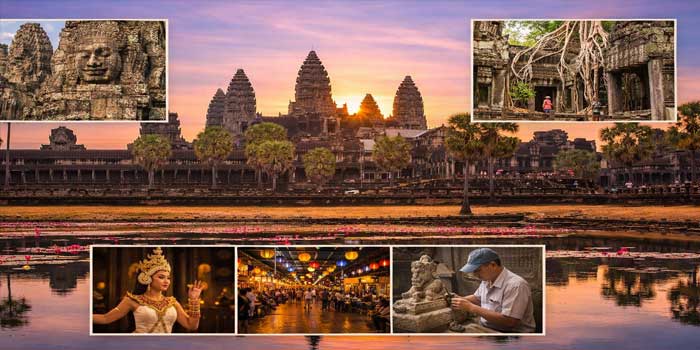
This legendary temple complex attracts travelers from around the world with its rich history, spiritual meaning, and remarkable architecture. Visiting Explore Angkor Wat Cambodia offers more than sightseeing. It provides a journey through centuries of culture, art, and human achievement that continues to inspire awe and admiration in every visitor.
The Historical Significance of Angkor Wat
Angkor Wat was built in the early 12th century during the reign of King Suryavarman II. Originally dedicated to the Hindu god Vishnu, it later transformed into a Buddhist temple, reflecting the region’s evolving spiritual traditions. This transition highlights the adaptability and resilience of the Khmer civilization. The temple’s preservation over centuries demonstrates its deep importance as both a religious center and a cultural symbol.
Beyond its spiritual role, Angkor Wat represents the peak of the Khmer Empire’s power and artistic achievement. It served as a political, religious, and social hub, influencing surrounding regions for generations. Today, it remains a proud symbol of national identity. Its image appears on Cambodia’s flag, reminding citizens and visitors alike of its lasting significance and the remarkable legacy of ancient Khmer ingenuity.
Architectural Brilliance and Spiritual Symbolism
The architectural design of Angkor Wat reflects extraordinary planning and craftsmanship. The temple features five towering spires, representing the mythical Mount Meru, believed to be the home of the gods. Surrounded by vast moats and symmetrical galleries, the complex creates a sense of harmony and balance. Detailed carvings cover the walls, depicting epic stories, historical events, and spiritual teachings with incredible precision.
These carvings serve not only as decoration but also as storytelling tools that communicate cultural values. Scenes from ancient epics, including battles and divine figures, illustrate moral lessons and religious beliefs. The alignment of the temple with the rising sun adds another layer of symbolic meaning. Watching the sunrise over the towers creates a magical moment that connects visitors with the temple’s timeless spiritual atmosphere.
Exploring the Greater Angkor Archaeological Park
Angkor Wat is part of the vast Angkor Archaeological Park, which contains many other remarkable temples and historical sites. Among them is Angkor Thom, an ancient city surrounded by massive stone walls and gates. Within Angkor Thom stands the famous Bayon Temple, known for its giant stone faces that appear to watch visitors from every direction.
Another must-visit site is Ta Prohm, where giant tree roots intertwine with temple structures. This unique combination of nature and architecture creates an unforgettable visual experience. Exploring these temples allows visitors to understand the scale and complexity of the Khmer Empire. Each site offers its own story, atmosphere, and perspective on ancient life and spiritual devotion.
Read Also: An Unforgettable Vacation on the Stunning Santa Giulia Beach
Cultural Experience in Siem Reap, Cambodia

Siem Reap serves as the gateway to Angkor Wat and offers a vibrant cultural experience. The city combines modern comforts with traditional charm, creating a welcoming environment for travelers. Visitors can explore local markets, enjoy authentic Khmer cuisine, and witness traditional Apsara dance performances. These experiences provide deeper insight into the culture that shaped the temples and continues to thrive today.
Local artisans in Siem Reap preserve traditional crafts such as wood carving, silk weaving, and stone sculpture. Visiting workshops allows travelers to see these skills firsthand and support local communities. Museums and cultural centers also offer valuable historical context. Together, these experiences enrich the journey beyond temple exploration, helping visitors appreciate Cambodia’s living heritage and creative spirit.
Travel Tips for a Meaningful and Comfortable Visit
Planning ahead can make your Angkor Wat visit more enjoyable and memorable. The best time to visit is during the cooler months, typically from November to February, when temperatures are more comfortable. Arriving early in the morning helps avoid crowds and allows you to witness the famous sunrise. Wearing modest clothing is important, as the temple remains an active religious site with cultural significance.
Staying hydrated and taking breaks ensures you can explore comfortably throughout the day. Hiring a knowledgeable guide can enhance your experience by explaining historical details and hidden meanings. Bringing a camera is highly recommended, as every corner offers stunning photo opportunities. With proper preparation and an open mind, your journey through Angkor Wat will become an unforgettable cultural and spiritual adventure.
Image Source:
First Image from: wishdip.com
Second Image from: experienceparkhyattsiemreap.com