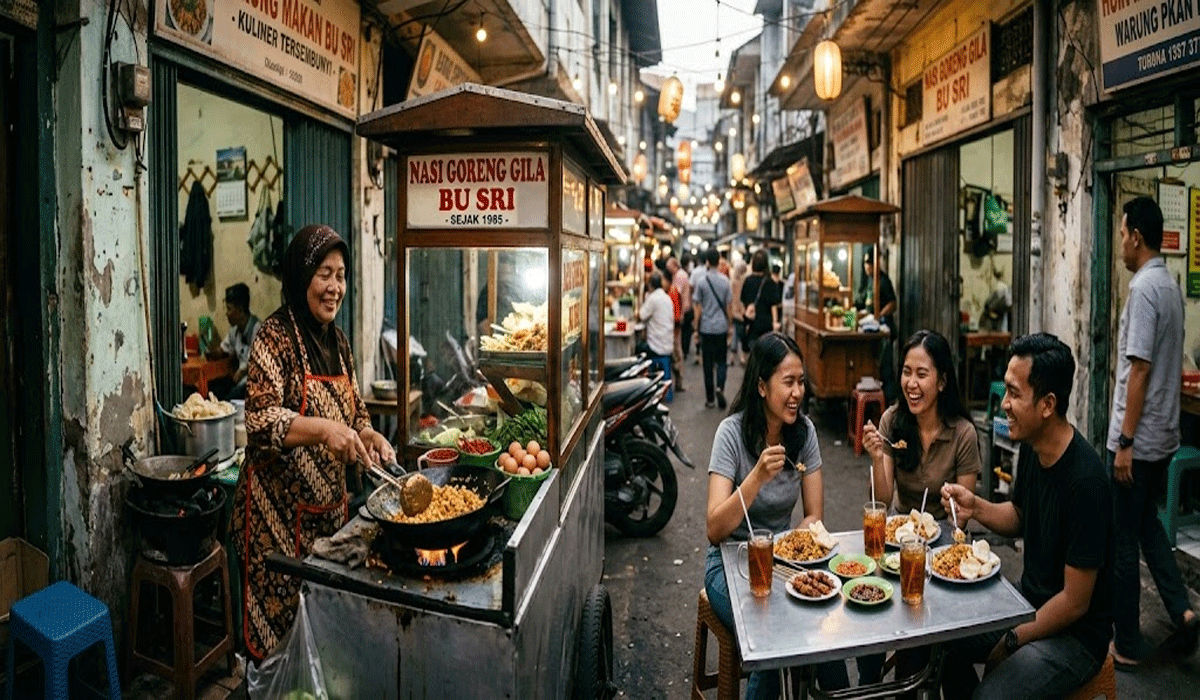
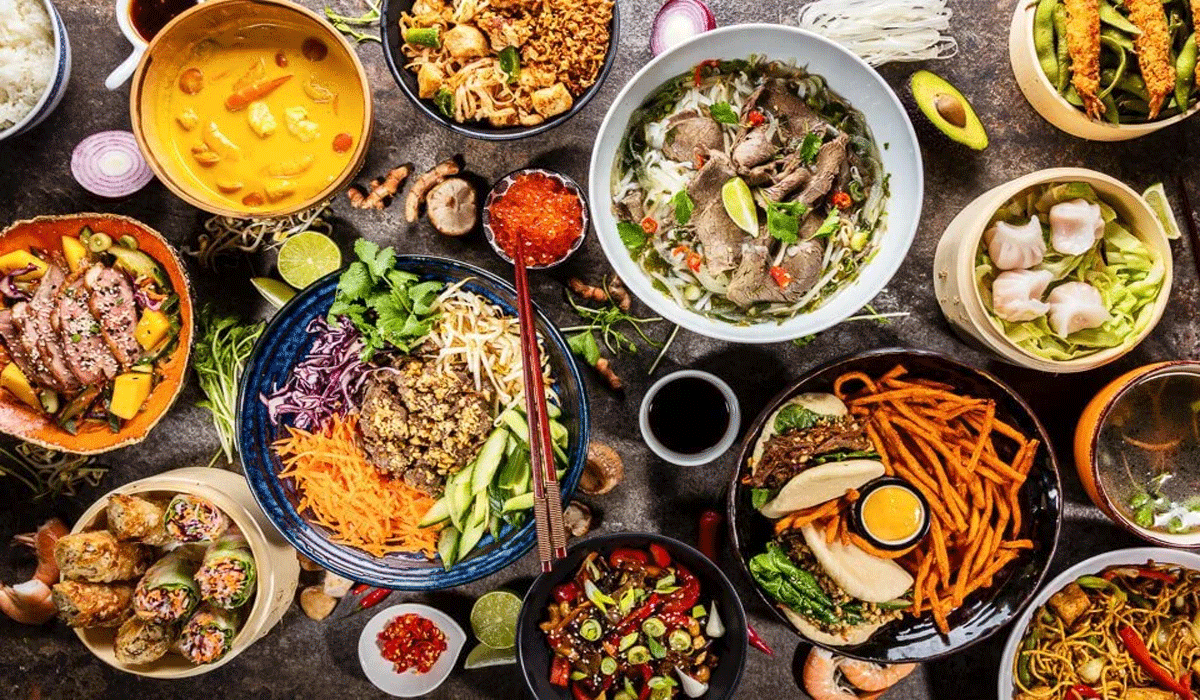
Explore Bali’s rich culinary scene with must-try traditional dishes like Sate Lilit, Babi Guling, Lawar, and Bebek Betutu.
The following Explore New Destinations we explore some of the must-try traditional dishes and the experiences that make Bali a true foodie destination.
Sate Lilit: Balinese Skewered Delight
Sate Lilit is a unique take on the traditional Indonesian satay, originating from Bali. Unlike the regular meat skewers, the meat often fish, chicken, or pork is minced and mixed with grated coconut, aromatic spices, and coconut milk before being wrapped around bamboo sticks.
Sampling Sate Lilit at a local warung provides more than just taste; it’s an experience of texture and aroma. The combination of finely minced meat and spices ensures that each bite melts in your mouth while the subtle smokiness from grilling enhances the flavor.
Babi Guling: The Iconic Roast Pig
Babi Guling, or Balinese roast pig, is a ceremonial dish often prepared during festivals, weddings, and special events. The pig is stuffed with a mixture of turmeric, lemongrass, garlic, and other spices before being roasted over an open fire.
Beyond the preparation, the cultural context makes Babi Guling exceptional. Sharing this dish is considered a communal activity, reflecting the island’s spirit of togetherness. Tourists can often witness the roasting process in traditional Balinese kitchens, gaining insight into the skill and patience required to achieve the perfect balance of flavors and textures.
Lawar: The Traditional Balinese Salad
Lawar is a vibrant mix of finely chopped vegetables, grated coconut, minced meat, and an array of spices. Often enjoyed with rice, it comes in many variations, including chicken, pork, or vegetarian options.
The beauty of Lawar lies in its freshness and balance. Each ingredient contributes to a symphony of flavors from the earthy coconut to the aromatic herbs and spices. Sampling Lawar is a sensory adventure: the crispness of vegetables contrasts with the richness of meat, while the spices linger pleasantly on the palate, leaving a lasting impression of Bali’s culinary creativity.
Read Also: Hidden Shores, Discover Exotic Beaches Beyond The Crowds
Bebek Betutu: Slow-Cooked Duck Perfection
Bebek Betutu is a Balinese delicacy featuring duck marinated in a rich blend of spices, wrapped in banana leaves, and slow-cooked until tender. The combination of turmeric, ginger, garlic, and chili creates a fragrant, flavorful dish that is both spicy and savory.
The cooking method is a key part of the experience. Slow-roasting the duck allows the spices to deeply penetrate the meat, creating a succulent and aromatic dish.
Nasi Campur Bali: A Plate of Diversity
Nasi Campur Bali, which literally translates to “mixed rice,” is a popular dish that reflects the island’s culinary diversity. It usually consists of a mound of white rice surrounded by small portions of meats, vegetables, and spicy sambals.
Travelers can explore local markets or warungs to sample unique variations, each offering a snapshot of Bali’s gastronomic landscape. It’s not just a meal but a culinary tour on a single plate, ideal for first-time visitors eager to taste authentic Balinese flavors.
Jaja Bali: Sweet Traditional Desserts
No culinary journey through Bali is complete without tasting Jaja Bali, a collection of traditional Balinese sweets. These desserts often use ingredients like coconut, rice flour, palm sugar, and pandan leaves to create colorful, flavorful treats.
Jaja Bali is more than just dessert it’s a cultural experience. Enjoying them at local markets or during festive occasions provides an authentic taste of Balinese life and the island’s dedication to preserving traditional flavors.
Conclusion
Bali’s culinary landscape is a treasure trove of flavors, textures, and traditions. From the smoky Sate Lilit and ceremonial Babi Guling to fresh Lawar, diverse Nasi Campur, tender Bebek Betutu, and sweet Jaja Bali, each dish tells a story of culture, heritage, and creativity.
Exploring these traditional foods is not just a feast for the taste buds it’s a journey into the heart of Bali itself, where every bite offers a deeper connection to the island’s vibrant culinary identity.
Image Source:
- First Image from: hideoutbali.com
- Second Image from: tebasari.com