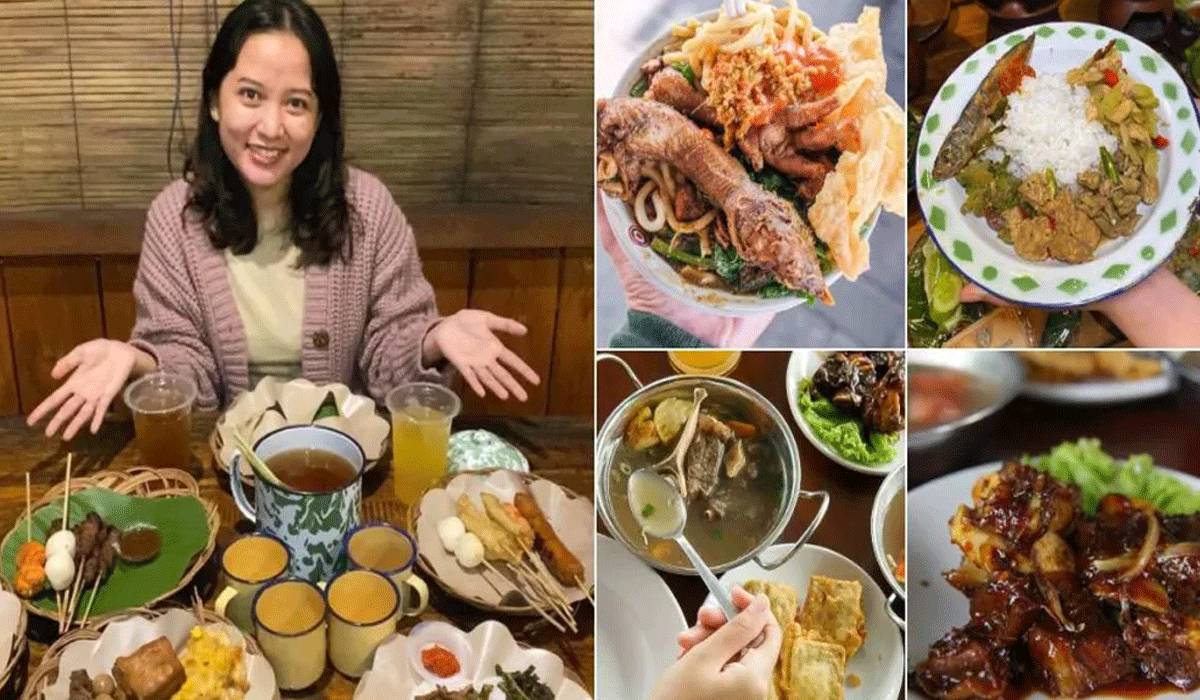
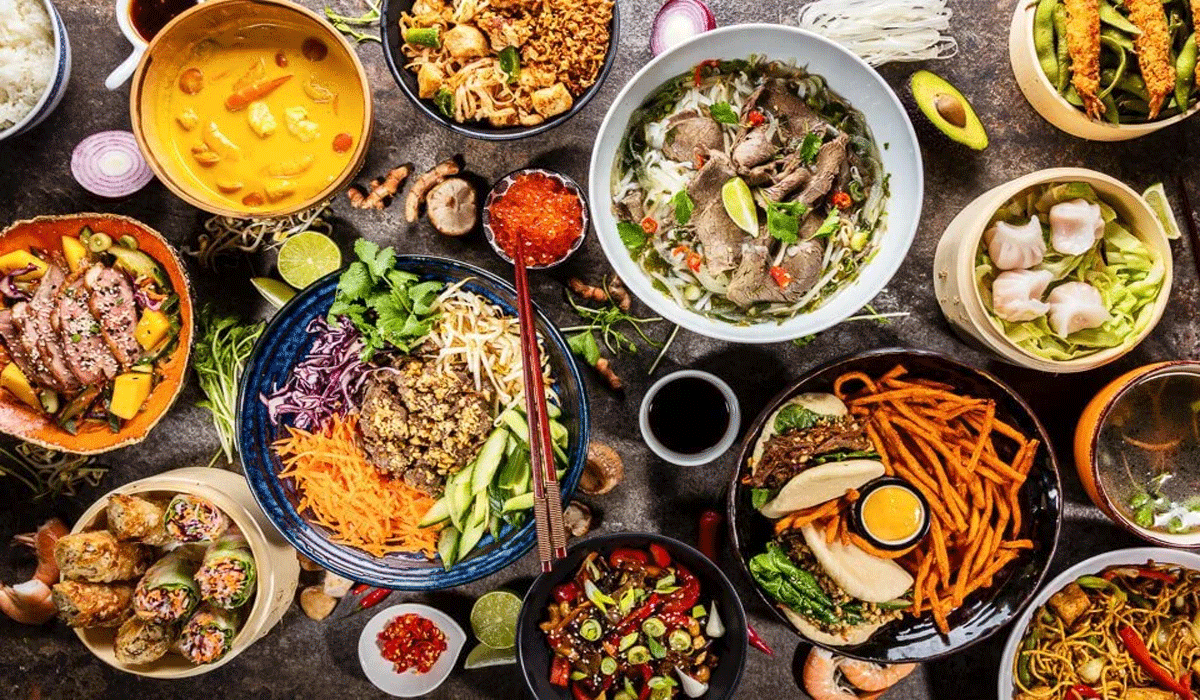
Traveling is not only about seeing new sights but also about savoring the local flavors that define each city.
From bustling street markets to hidden family-owned restaurants, tasting authentic cuisine requires curiosity and a willingness to step off the beaten path, by exploring local ingredients, traditional cooking methods, and cultural food practices, travelers can truly immerse themselves in the culinary identity of each destination.
In this Explore New Destinations article, we’ll explore the benefits of taking cooking classes and workshops during your travels, how to choose the right one, and tips for making the most of these immersive culinary experiences.
Research Local Specialties Before You Travel
Before arriving in a new city, spend time researching its signature dishes. Knowing what a region is famous for can guide your culinary journey and prevent missing out on must-try experiences. Look for iconic dishes, seasonal specialties, and regional beverages.
Use online guides, travel blogs, and social media recommendations to create a preliminary food map, identify markets, restaurants, or street vendors where locals frequently eat. This research helps ensure you experience authentic flavors rather than tourist-oriented versions.
Understanding the historical and cultural significance of each dish can also deepen your appreciation. Many traditional recipes carry stories of heritage, migration, or seasonal rituals, enriching your culinary adventure beyond taste alone.
Explore Local Markets & Food Streets
Markets and food streets are the heart of culinary discovery. Visiting these places allows you to see fresh ingredients, traditional cooking techniques, and vibrant food culture in action, engage with vendors to learn about the ingredients and preparation methods.
Sampling small bites from multiple stalls can provide a broader perspective of the city’s culinary diversity. Street food often offers authentic flavors crafted by locals for locals, giving travelers a genuine taste of daily life.
Take time to observe how locals interact with food and each other. Understanding the social aspect of dining, from communal tables to sharing dishes, adds a cultural layer to your food exploration.
Read Also: Explore New Destinations For Food Lovers, From Traditional To Modern
Try Cooking Classes & Workshops
Participating in cooking classes or workshops allows you to learn traditional techniques firsthand. Many cities offer classes taught by local chefs or home cooks who share family recipes and insider tips.
Hands-on experiences deepen your connection with the cuisine, and learning to cook a dish yourself gives you a personal story to remember long after your trip. It also allows you to replicate the flavors at home, extending your culinary journey.
Classes often include visits to markets to select ingredients, offering insight into ingredient selection, freshness, and seasonality. This holistic approach connects you to the full food culture of the city.
Engage with Locals For Insider Recommendations
One of the best ways to discover authentic cuisine is by talking to locals. Ask residents, shopkeepers, or taxi drivers for their favorite eateries or hidden culinary gems. Locals can provide recommendations that are often not listed in guides or online platforms.
Social interactions can also reveal the stories behind traditional dishes, regional variations, and family-run establishments that preserve cultural authenticity. Building rapport with locals adds a personal dimension to your culinary experiences.
Be open to spontaneous invitations to dine in homes or neighborhood eateries, such experiences offer authentic flavors and social immersion that restaurants alone cannot provide.
Be Adventurous & Respectful
Authentic culinary exploration requires an open mind and a willingness to try new ingredients, flavors, and dishes. Avoid sticking only to familiar foods and embrace local specialties, even if they seem unusual at first.
Respect cultural norms regarding eating habits, mealtime etiquette, and dietary practices. Observing these practices not only enhances your experience but shows appreciation for local traditions.
Being adventurous while maintaining respect ensures that your culinary journey is both memorable and culturally enriching.
Conclusion
Tasting authentic cuisine in every city is a powerful way to connect with culture, history, and local life. Researching local specialties, exploring markets, attending cooking classes, and engaging with locals all contribute to a richer experience.
Being open to new flavors and respecting local customs further enhances the adventure. Every meal becomes more than just food—it’s a story, a memory, and a cultural journey.
By embracing these strategies, travelers can transform every city visit into a fulfilling culinary adventure, discovering flavors and stories that last long after the trip ends.
Image Source:
- First Image: https://www.intrepidtravel.com
- Second Image: https://tripleseat.com