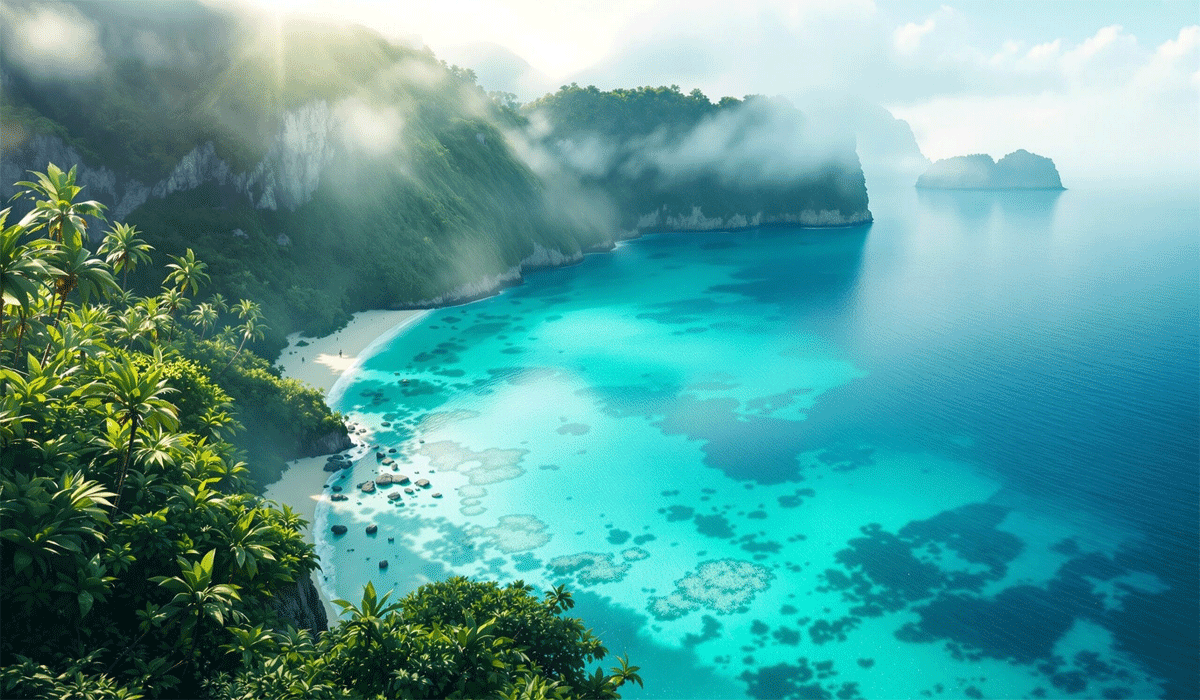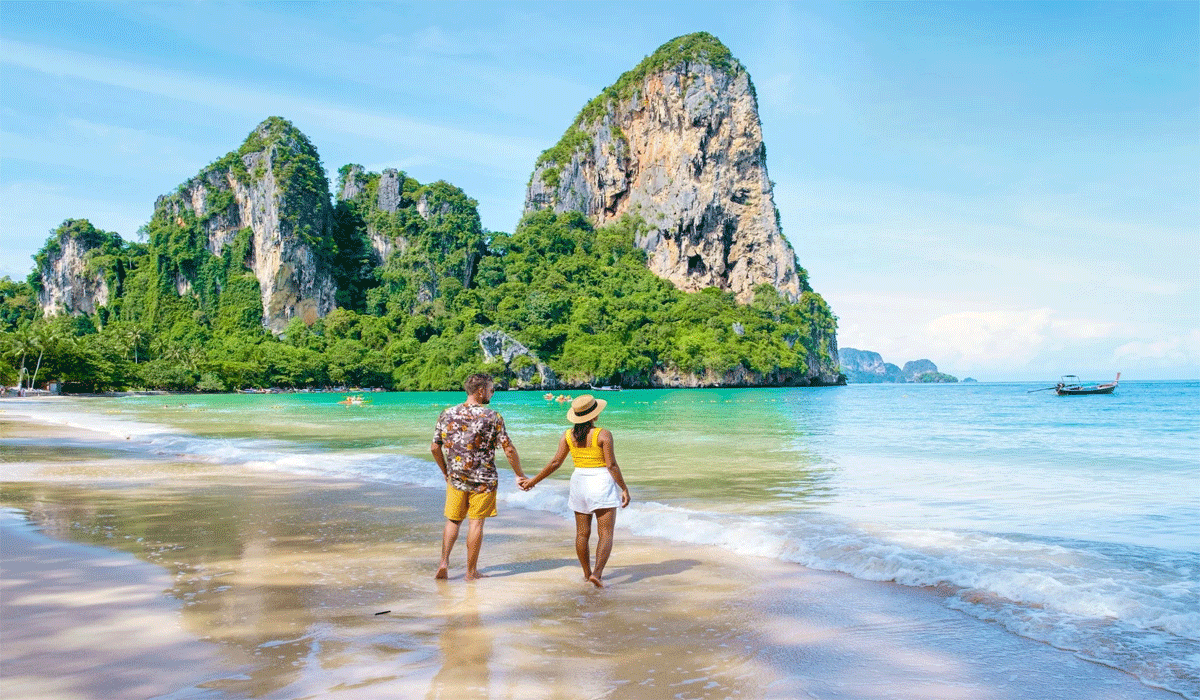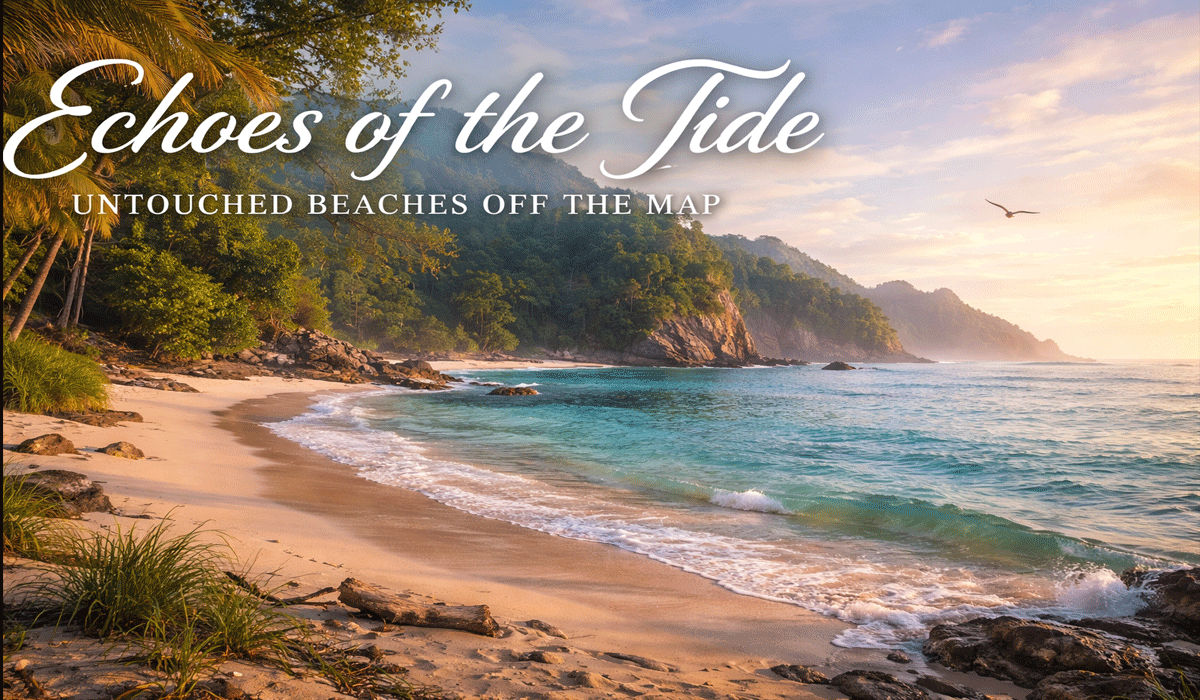
Echoes of the Tide explores untouched beaches off the map, revealing hidden shores where silence, nature, and raw coastal beauty remain pure.
Below, TEACHING will provide some explanations regarding Reinventing Learning Systems for an Innovation-Driven Future.
The Allure of Shores Unseen
In a world increasingly mapped, tagged, and geolocated, the idea of a beach untouched by mass tourism feels almost mythical. Yet beyond the crowded coastlines and curated travel feeds, there remain stretches of sand where the only footprints are those left by seabirds and drifting crabs. These hidden shores exist quietly, shaped by tides and wind rather than tour buses and beachfront developments.
The appeal of these off-the-map beaches lies not only in their beauty but in their authenticity. Here, the ocean does not perform for visitors; it simply exists in its raw and untamed form. The waves arrive without choreography, the sands shift with each passing storm, and the vegetation grows according to the logic of nature alone.
Landscapes Shaped by Wind and Water
Untouched beaches are living landscapes, constantly reshaped by natural forces. Without seawalls or artificial barriers, the shoreline breathes freely, expanding and retreating with the tide. Sand dunes rise like golden guardians, formed by years of wind sculpting loose grains into soft ridges. Coastal grasses anchor the dunes in place, while hidden tidal pools form miniature ecosystems that shimmer under the sun.
The absence of commercial development allows wildlife to thrive in these environments. Sea turtles return to lay eggs under the cover of night, guided by instincts older than human history. Migratory birds pause along these shores during long seasonal journeys, resting among the reeds and driftwood. Beneath the surface, coral reefs and seagrass meadows flourish undisturbed, supporting vibrant marine life.
Read Also: Sun Sand and Serenity Top Beach Getaways
Journeys Beyond the Tourist Trail

Reaching an untouched beach often requires effort, patience, and a willingness to step outside conventional travel routes. Some lie at the end of winding dirt roads, accessible only by small boats or long coastal hikes. Others are found on remote islands where infrastructure remains minimal and modern conveniences are scarce. The journey itself becomes part of the experience, heightening anticipation and fostering a deeper appreciation for the destination upon arrival.
This sense of discovery transforms the act of travel into something more meaningful. Without souvenir stalls or loud attractions, visitors engage directly with their surroundings. They observe the shifting light at dawn, listen to the whisper of wind across dunes, and watch as the tide erases the marks of the day. In these moments, travel becomes less about consumption and more about connection. The beach is not a checklist item but a place to witness the quiet dialogue between land and sea.
Preserving the Silence of the Shore
As interest in hidden destinations grows, so too does the responsibility to protect them. The very qualities that make untouched beaches special their fragility, solitude, and ecological richness can be compromised by unmanaged tourism. Even small disturbances can disrupt nesting sites, damage vegetation, or introduce waste into delicate ecosystems.
Local communities and conservation groups increasingly play a central role in safeguarding these environments. Through protected area designations, education initiatives, and responsible tourism guidelines, they strive to balance access with preservation. Travelers, too, hold power in this equation. By leaving no trace, respecting wildlife, and supporting conservation efforts, visitors can help maintain the integrity of these rare coastal havens.
For the latest and most interesting related information, you can also click the TEACHING link.
Image Source:
First Image from wishdip.com
Second Image from globerovers.com