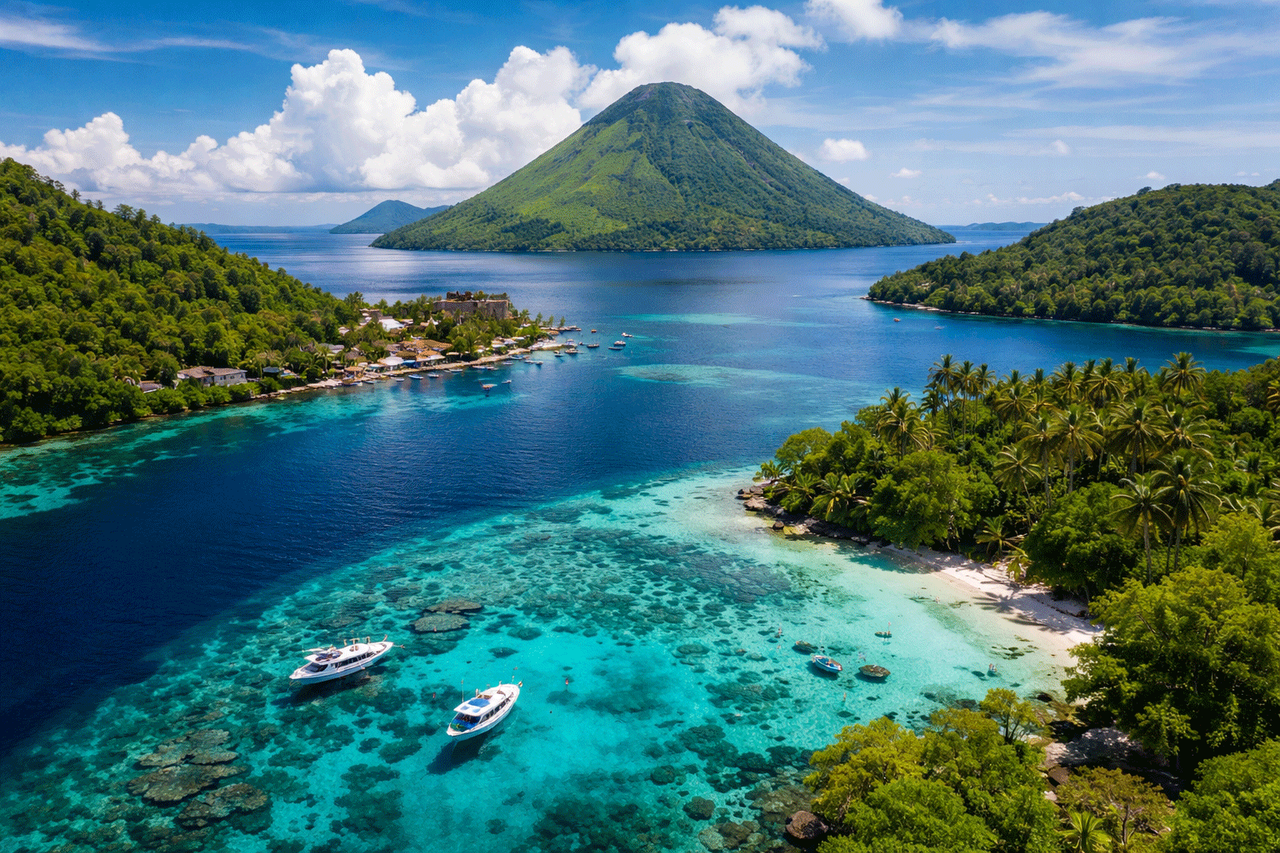
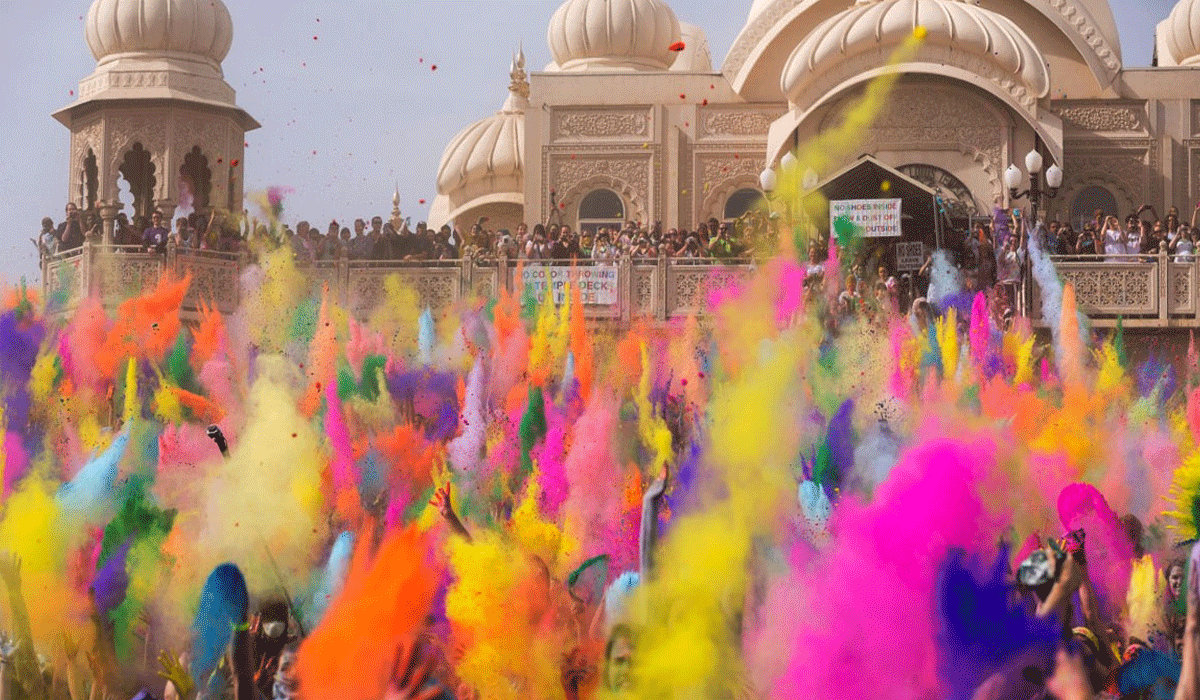
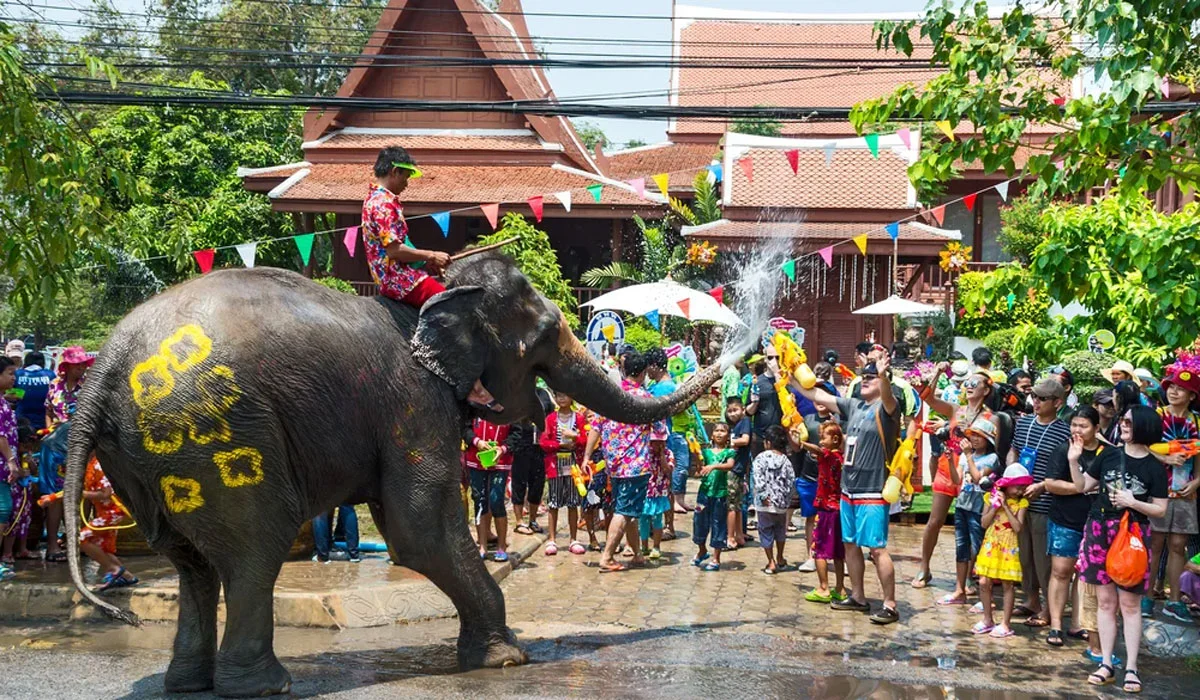
The Gawai Dayak rituals and traditions in West Kalimantan are a cultural heritage rich in meaning and beauty.
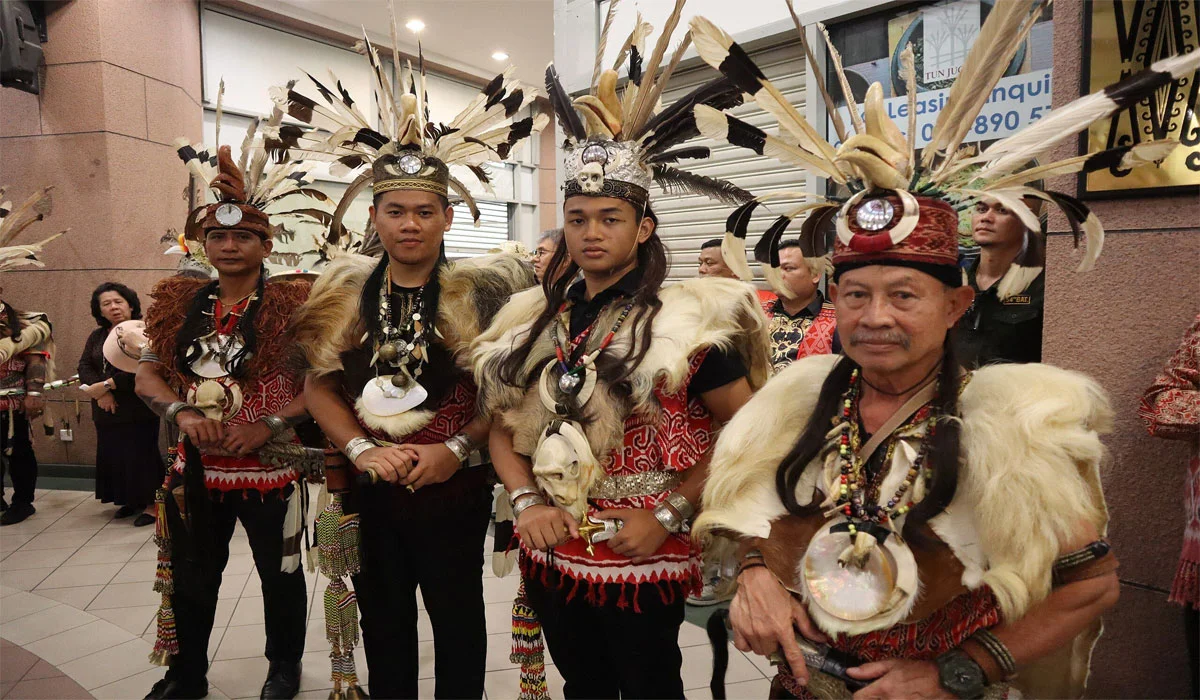
The Gawai Dayak rituals and traditions in West Kalimantan have a very unique cultural richness, reflecting the life of the Dayak people. Below Explore New Destinations will discuss in more depth various interesting aspects of the this festival traditions and rituals in West Kalimantan.
History and Origins of Gawai Dayak
Gawai Dayak in West Kalimantan is a long-standing tradition. This celebration is rooted in the Dayak people’s belief in living in harmony with nature. Gawai itself comes from the word “Gawai,” which means party or celebration. This ritual is usually performed to commemorate the harvest season and as an expression of gratitude to God for a bountiful harvest.
This tradition combines various elements such as traditional ceremonies, dance, music, and traditional dishes. The rituals and traditions of this festival in West Kalimantan are important moments for uniting the community and strengthening social ties. Gawai is not only a religious ceremony but also a joyful celebration.
Ceremonies and Rituals in Gawai Dayak
Traditional ceremonies in this festival are diverse and rich in meaning. One of the most famous is the “Malam Gawai” ceremony, held after the rice harvest. This night is filled with various rituals such as slaughtering chickens, dancing. And climbing areca nut trees. Each ritual has a specific purpose, such as praying for safety, fertility, and prosperity for the community.
In addition, the Dayak people also serve a traditional drink called “Tuak” as part of the ceremony. The this festival rituals and traditions of West Kalimantan reflect a deep respect for nature and emphasize the close relationship between humans and their ancestral spirits.
Also Read: Discover Kerkhoff Through Its Unique Culinary Scene
Music and Dance in Gawai Dayak
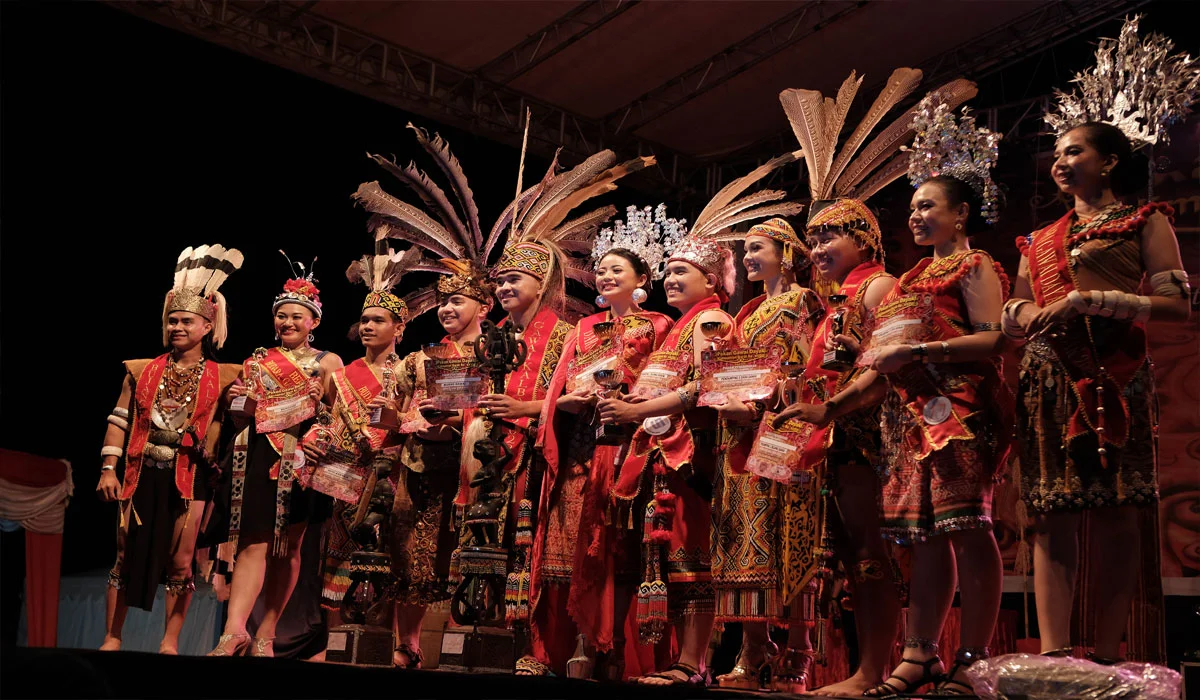
Music and dance are integral parts of this festival celebrations. Traditional dances such as the “Hudoq Dance” and “Dragon Dance” are typically performed to entertain guests. And symbolize self-purification. The music, played using traditional instruments such as gongs, bamboo instruments, and drums, creates a festive and magical atmosphere.
This music and dance are not only entertainment but also have a spiritual purpose. Believed to ward off evil spirits and bring peace. The this festival rituals and traditions of West Kalimantan demonstrate the importance of art in the lives of the Dayak people, serving not only as entertainment but also as a means of prayer and gratitude.
Symbolism & Meaning of Each Element of Gawai Dayak
Each element of this festival has deep meaning and special symbolism. For example, the colorful and detailed traditional clothing symbolizes the Dayak people’s pride in their cultural heritage. Furthermore, various objects used in rituals, such as spears and traditional jewelry, hold high spiritual value.
Each symbol in the this festival celebration is believed to possess magical powers that can provide protection and good fortune. This festival rituals and traditions in West Kalimantan are a way for the community to honor nature, ancestors, and all of God’s creation.
Sustainability & Preservation of Gawai Dayak Traditions
The sustainability of Gawai Dayak in West Kalimantan is crucial for preserving this cultural heritage. Despite changing times, the Dayak community continues to strive to preserve this tradition to prevent extinction. Younger generations are taught from an early age to recognize and understand the meaning of each this festival ritual and tradition.
These preservation efforts are also supported by the local government. Which has begun holding Gawai festivals as a means of introducing Dayak culture to the outside world. This festival rituals and traditions in West Kalimantan are increasingly appreciated by the wider community, both as a cultural heritage and as a unique tourist attraction.
Image Information Source:
First Image from: www.sarawaktravellers.com
Second Image from: www.indonesia.travel