The Dead Sea is a natural wonder with unique phenomena, amazing attractions, and many interesting things to know.
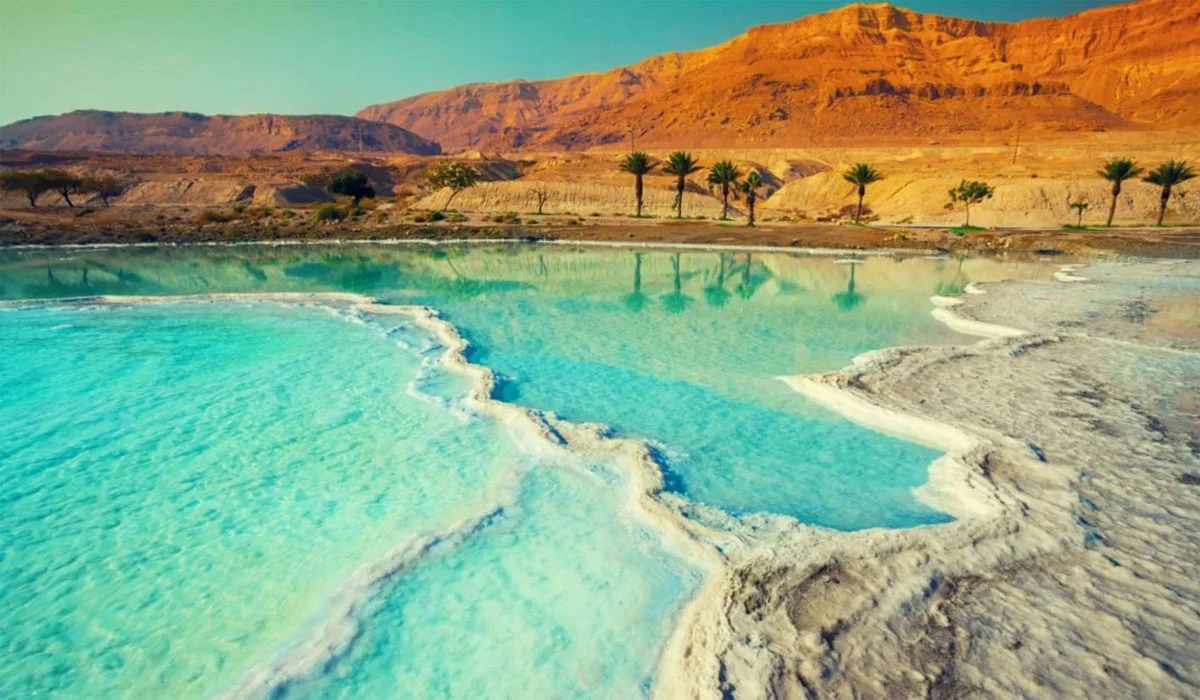
The Dead Sea, located on the borders of Jordan, Israel and Palestine, is famous for its extraordinary uniqueness and amazing natural phenomena. Below Explore New Destinations will discuss some of the interesting aspects and extraordinary phenomena that make the this tourist attraction so special.
The Geographical Uniqueness of the Dead Sea
The this tourist attraction is located more than 400 meters below sea level, making it one of the lowest points on earth. This extremely low location drastically impacts its geographical conditions. Its water has a very high salinity, making it very different from other oceans.
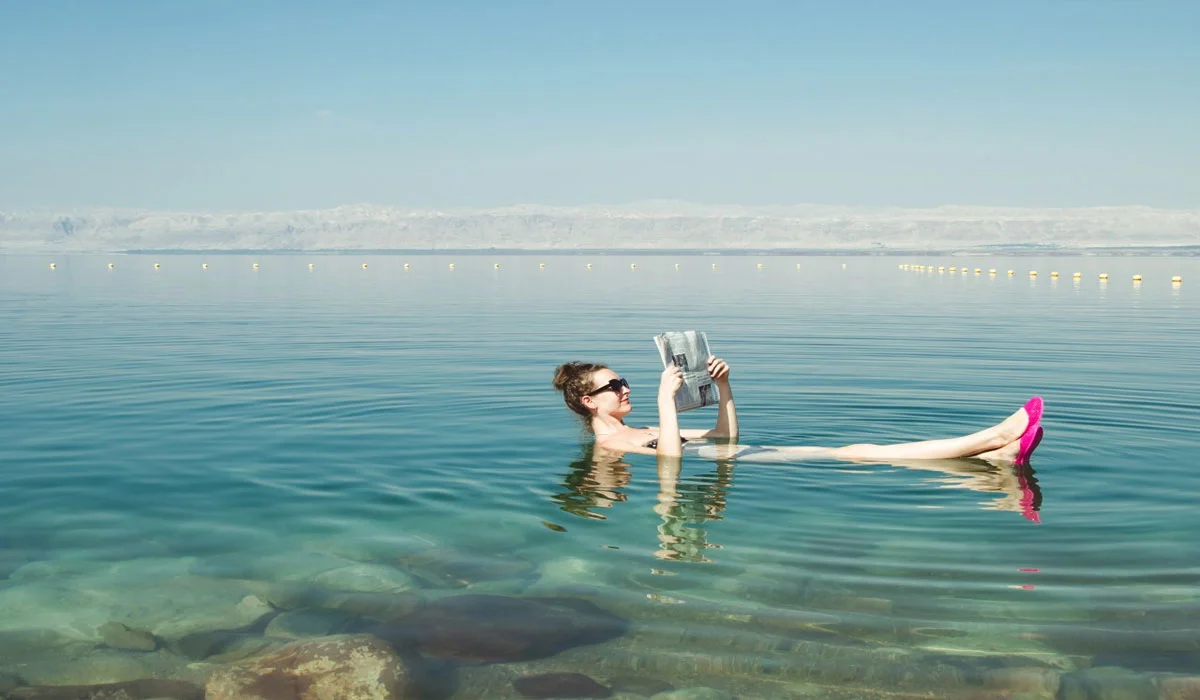
The salt content in the this tourist attraction can reach around 30%, which is much higher than that of a regular ocean. This condition allows visitors to float effortlessly. This uniqueness is a major draw for tourists who come to experience this sensation. The this tourist attraction is also surrounded by arid desert, further adding to the extreme and magical feel of this area.
Natural Phenomena Occurring in the Dead Sea
One of the most striking phenomena in the this tourist attraction is its extremely high evaporation rate. The evaporating water leaves behind rich minerals such as magnesium, calcium, and potassium, which are very beneficial for skin health.
This uniqueness makes the this tourist attraction a popular natural therapy spot. Many people come to bathe there, believing the water can treat various skin conditions such as psoriasis and eczema. Furthermore, the natural phenomenon that creates mineral-rich black mud deposits adds to its appeal. This mud is believed to have healing properties that can remove toxins from the body.
Also Read: Extreme Trails: An Adventure Travel Guide for Thrill Seekers
History and Mythology of the Dead Sea
The this tourist attraction is also renowned for its history and mythology. In various ancient tales, the this tourist attraction is often associated with stories of destruction and annihilation. One such legend is the biblical one that describes the destruction of the cities of Sodom and Gomorrah. The existence of the Dead Sea is believed to be historical evidence of this event.
Furthermore, the area is rich in archaeological sites, such as the famous this tourist attraction Scrolls. These scrolls contain ancient texts that provide profound insights into ancient cultures and religions. Therefore, the Dead Sea is not only fascinating for its natural phenomena, but also for its rich history.
Biodiversity in the Dead Sea
Despite being known for its extreme salinity, the this tourist attraction is still home to several unique forms of microbial life. These microorganisms are able to survive in extremely harsh conditions, environments that are nearly impossible for other life.
The existence of these extreme microbes demonstrates nature’s extraordinary ability to adapt to environmental changes. Furthermore, the this tourist attraction is home to a fascinating diversity of flora and fauna, although not as abundant as in other bodies of water. The presence of flora growing around the this tourist attraction makes it even more attractive to researchers and scientists.
Environmental Impact and Water Crisis
However, despite the Dead Sea’s extraordinary natural beauty, it faces significant challenges due to its rapid drying. In recent decades, the Dead Sea’s surface has been steadily shrinking due to decreased water flow from the Jordan River, its primary source of water supply.
The water crisis affecting the region has further worsened the environmental conditions surrounding the this tourist attraction. Numerous efforts have been undertaken by surrounding countries to try to save the this tourist attraction, including water diversion projects from the Red Sea. However, significant challenges remain to ensure the sustainability of the region’s ecosystem.
Image Information Source:
First Image from: www.mentalfloss.com
Second Image from: holylandtours.org