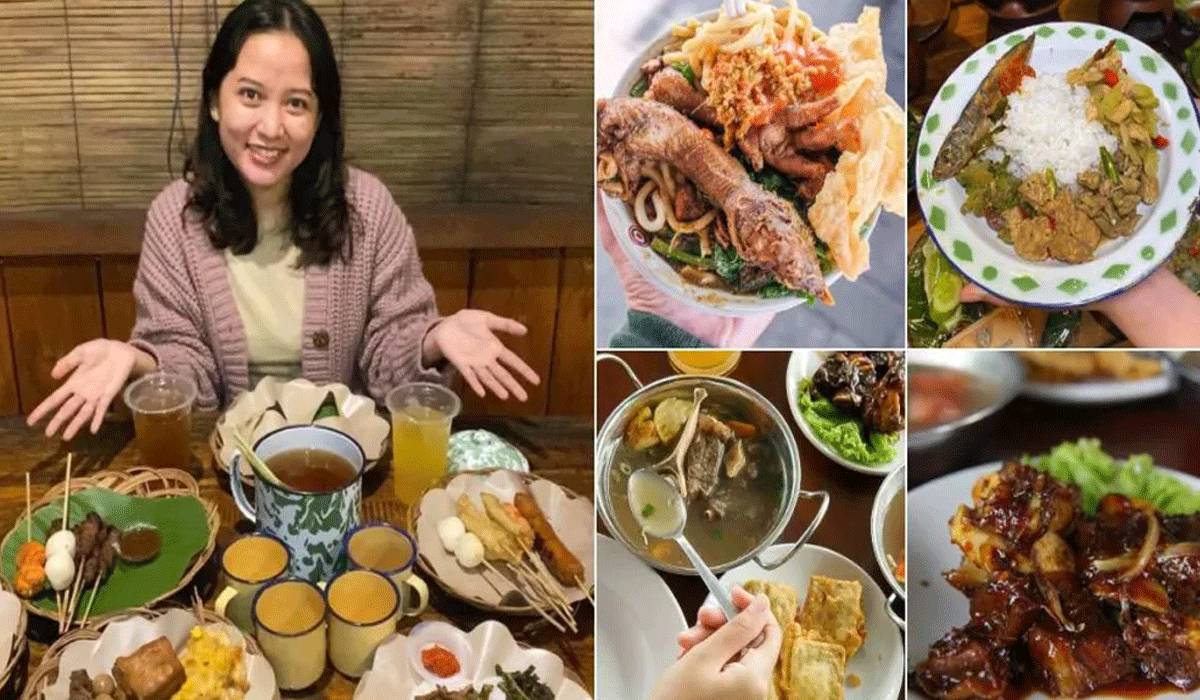
Explore Indonesia’s rich culinary landscape, where every island offers unique flavors, unforgettable dishes, and cultural food experiences.
With hundreds of islands and a rich cultural diversity, each region offers unique flavors, from spicy and sweet to savory and sour. Exploring Indonesian cuisine is more than just eating; it’s about understanding local traditions, history, and creativity. Let’s journey across the archipelago and discover five culinary experiences you shouldn’t miss, only in Explore New Destinations.
Spicy Delights of Padang, Rendang and Sate Padang
Padang cuisine is famous both in Indonesia and abroad, with rendang often hailed as one of the world’s most delicious dishes. Slow-cooked with rich spices like chili, lemongrass, kaffir lime leaves, and coconut milk, rendang delivers a tender texture and deep flavor that lingers. Sate Padang, skewered meat served with a thick, spicy sauce, offers a completely different but equally unforgettable taste.
Visiting Padang for food is also a cultural experience. Traditional restaurants often serve dishes in a “prasmanan” style, allowing diners to try many types of meals in one sitting. Every bite tells a story of Minangkabau traditions and culinary mastery.
The food culture here reflects the region’s values community, hospitality, and a love for bold flavors. For adventurous eaters, Padang’s cuisine is both exciting and educational, showing how food can represent identity and heritage.
The Sweet Charm of Java, Gudeg and Nasi Liwet
Gudeg, a signature dish from Yogyakarta and Central Java, is made from young jackfruit simmered in coconut milk and palm sugar. Its sweet and savory flavors are typically paired with chicken, eggs, and spicy sambal krecek. Nasi Liwet from Solo offers a different delight, with fragrant rice cooked in coconut milk and served with shredded chicken and aromatic spices.
Eating in Java often involves a traditional setting, such as sitting on mats (lesehan) or in a joglo-style restaurant. This environment enhances the dining experience, blending taste with cultural appreciation.
Every mouthful offers insight into Javanese philosophy: balance, harmony, and patience. Dining here becomes a lesson in culture, showing how food is a central part of community life and everyday rituals.
Unique Betawi Flavors, Soto Betawi and Kerak Telor
Jakarta may be bustling, but it’s also home to rich Betawi cuisine. Soto Betawi is a creamy beef soup with coconut milk, often accompanied by emping crackers and rice. Kerak Telor, a traditional street snack made of sticky rice, egg, and grated coconut, is a favorite at local festivals and night markets.
Exploring Betawi cuisine is a journey through history. Soto Betawi reflects cultural blending from Chinese and Dutch influences, while Kerak Telor connects visitors with festive street culture.
Trying these dishes immerses you in Jakarta’s vibrant lifestyle. It’s not just about taste it’s about understanding how the city’s people have preserved and innovated their culinary traditions over generations.
Read Also: Exploring the Thrill of Adventure Travel in North Sumatra
Balinese Culinary Charm, Babi Guling and Lawar
Bali’s cuisine is as captivating as its beaches. Babi Guling, a traditional roasted pork, is flavored with garlic, turmeric, and aromatic spices. Lawar, a mix of vegetables, meat, and grated coconut, offers a refreshing and savory experience unique to Bali.
Dining in Bali is often accompanied by traditional music or dance, making meals an immersive cultural event. Restaurants and warungs frequently combine food with storytelling through local art forms.
Each dish is more than flavor it’s a window into Bali’s customs and religious ceremonies. Eating here connects visitors with the island’s traditions while savoring distinctive tastes.
Eastern Indonesia’s Exotic Flavors, Papeda and Grilled Fish
In Papua and Maluku, Papeda a sticky sago dish is paired with yellow fish soup, creating a chewy, unique taste. Grilled fish in Maluku, seasoned with sweet and spicy spices, highlights the freshness of the sea and local flavors.
Trying Eastern Indonesian cuisine is a cultural adventure. Papeda and grilled fish symbolize local wisdom and culinary heritage.
Food here is often enjoyed alongside stunning natural scenery, from lush forests to pristine beaches. Eating becomes a full experience, blending taste, culture, and breathtaking landscapes.
Exploring Indonesia through food lets you experience the nation’s culture with your senses. Every region offers a story, a tradition, and a taste that connects you to its people. Indonesian culinary adventures are not just meals they’re unforgettable journeys for the heart, mind, and taste buds.
Watch and keep following, don’t miss the most complete information regarding Explore New Destinations.
Image Source:
- First Image from thegreytraveller.com
- Second Image from villacoco.com