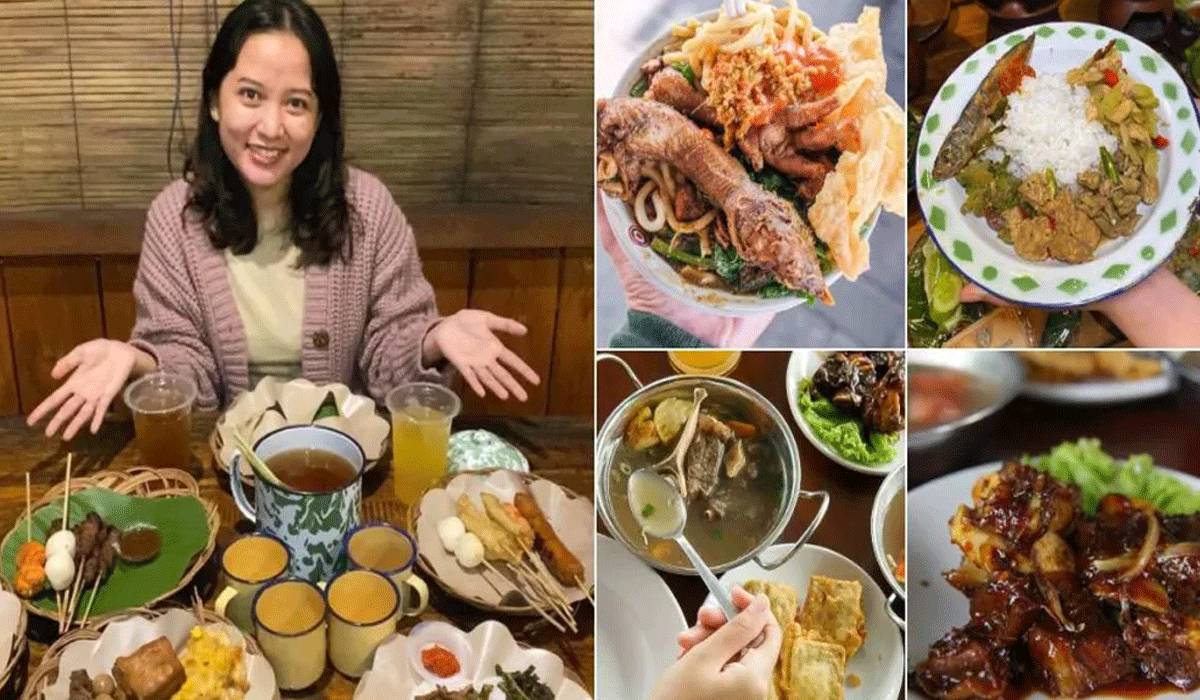
Indonesia is a land of flavors, where every region offers unique dishes that tell stories of history and culture.
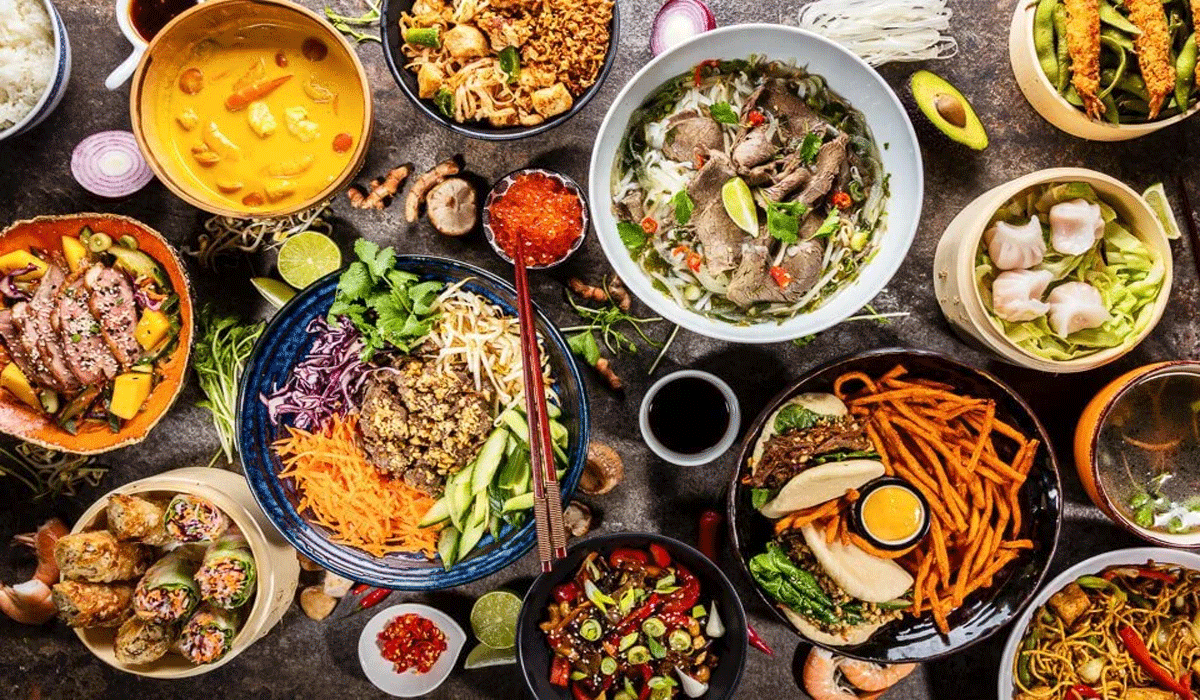
From rich spices to traditional cooking methods, local cuisine serves as a window into the soul of each community. Traveling through these regions and tasting their specialties is more than just eating it’s experiencing the heritage behind every recipe passed down through generations. Here’s Explore New Destinations a journey into the culinary world of Indonesia.
Distinct Flavors Across Regions
Every part of Indonesia has its own signature flavors. Sumatra is famous for spicy dishes like rendang and gulai, while Java is known for sweeter and milder tastes, such as gudeg and nasi liwet. These differences make every culinary visit a fresh experience.
Local dishes often carry deeper meanings. In Minangkabau, rendang represents patience and dedication because of the long cooking process, while in Java, gudeg symbolizes family togetherness and simplicity. Understanding these stories adds more depth to tasting the food.
Traditional cooking techniques also highlight regional uniqueness. Many communities still use bamboo steamers, clay stoves, or serve meals in banana leaves, giving the dishes distinct aromas and flavors. These presentation styles make dining an immersive cultural experience.
Preserving Traditions Through Food
Food is a key part of Indonesia’s cultural heritage. Many festivals and rituals feature traditional dishes as central elements. In Bali, ceremonies like Galungan and Kuningan are celebrated with offerings and dishes like lawar, which symbolize devotion and respect.
In North Sumatra, Batak communities serve saksang during adat events, representing family bonds and communal respect. Maintaining these recipes helps preserve not just the flavors but also the cultural values behind them.
Even daily cooking practices keep traditions alive. Hand-grinding spices, using wood-fired stoves, and following age-old methods are still common. These activities educate younger generations and visitors about the culture behind the cuisine.
Read Also: Hidden Tropical Paradises, Discover Beaches You’ve Never Seen
Culinary Tourism as a Cultural Experience

Enjoying traditional food is about more than taste it’s about understanding culture. Markets, street stalls, and family-run restaurants offer insight into local life, ingredients, and cooking styles. Every meal tells a story.
Culinary travel encourages social interaction. Tourists can chat with locals, learn cooking tips, and sometimes join in meal preparation. These experiences transform travelers from spectators into participants in cultural traditions.
Growing interest in local cuisine also supports cultural preservation. The more tourists value traditional foods, the more communities strive to protect authentic recipes. Culinary tourism strengthens both local economies and heritage.
Food as Regional Identity
Traditional dishes reflect the identity of a place. Spicy flavors in Aceh or West Sumatra showcase a history of spice trade, while Java’s sweet and mild tastes reflect harmony and simplicity. Every taste connects to the story of the land and its people.
Food also attracts visitors uniquely. Dishes like Pempek from Palembang or Soto Betawi from Jakarta become reasons for travelers to visit. Culinary identity helps regions stand out and share their culture with the world.
Festivals, cooking contests, and food exhibitions celebrate local pride. Preserving authentic recipes allows communities to pass traditions to younger generations while promoting cultural awareness to outsiders.
Journey Through Flavor and Culture
Exploring Indonesia through food is a journey across taste, tradition, and history. Each dish carries lessons about the people, their philosophies, and regional stories.
Tasting traditional cuisine teaches appreciation for rich heritage and diverse culinary styles. Every meal becomes a lesson in culture, connecting the eater to generations past.
Visiting different regions to enjoy local specialties is one of the best ways to understand Indonesia’s identity. Food is more than nourishment it’s a living narrative of the nation’s heart and soul.