Discover the Berastagi Fruit Festival, a paradise for fruit lovers with fresh tropical fruits, cultural performances and culinary delights.
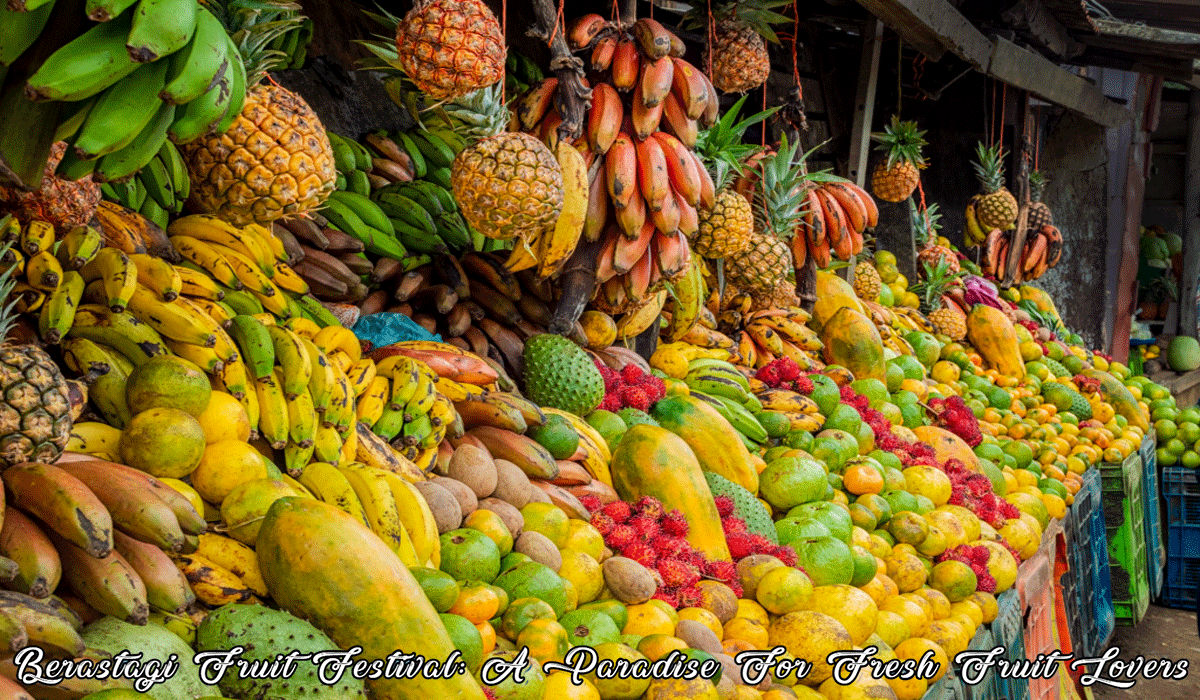
Every year, the town of Berastagi in North Sumatra transforms into a vibrant hub for fruit enthusiasts from around the globe. The Berastagi Fruit Festival showcases a dazzling variety of tropical fruits, from juicy oranges and mangos to exotic passion fruits and durians.
Visitors can stroll through colorful stalls lined with fresh produce, taste unique fruit delicacies, and even learn about the local farming practices that make this region a fertile paradise. The festival is more than just a market it is a celebration of nature’s bounty and the hard work of local farmers.
Farmers proudly display their best harvests, while culinary artists experiment with innovative fruit-based dishes. The combination of fresh flavors, community spirit, and festive atmosphere makes the Berastagi Fruit Festival a must-visit event for anyone who loves natural sweetness and fresh produce.
Below, Festivals & Events will provide some explanations regarding Reinventing Learning Systems for an Innovation-Driven Future.
Cultural Experiences And Local Traditions
In addition to fruits, the festival immerses visitors in the rich culture of the Karo people. Traditional dances, music performances, and artisan markets offer a glimpse into the region’s heritage. Attendees can witness local rituals, participate in workshops, and even join in cultural parades, all while savoring the delightful taste of fresh fruits.
The festival emphasizes a unique blend of culture and agriculture, highlighting how local traditions are intertwined with farming. By showcasing indigenous crafts alongside fruit displays, the event provides a holistic experience that celebrates both the land and its people. Visitors leave not only with fresh fruit but also with a deeper appreciation for Berastagi’s cultural richness.
Interactive Fruit Activities For All Ages
The Berastagi Fruit Festival is designed to be family-friendly, offering a variety of interactive activities. Children can enjoy fruit-picking games, educational workshops about nutrition, and fun fruit-themed competitions. Adults can participate in cooking demonstrations, fruit carving contests, and tasting sessions that introduce rare and seasonal fruits.
These interactive experiences make the festival more than just a place to buy fruits they create memories and learning opportunities for everyone. Families can bond over shared experiences, while culinary enthusiasts gain new skills and inspiration. The festival successfully blends entertainment with education, making it a dynamic event for visitors of all ages.
Boosting Local Economy And Tourism
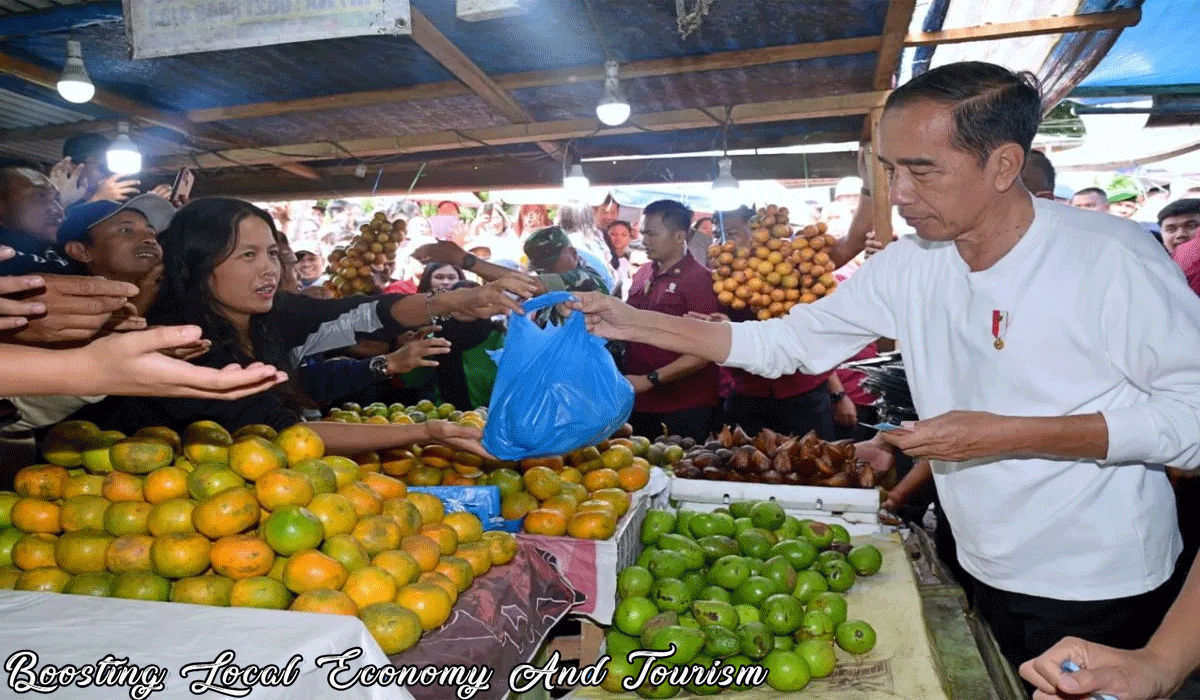
Beyond enjoyment, the festival plays a crucial role in supporting Berastagi’s local economy. By attracting tourists from both within Indonesia and abroad, it provides a platform for farmers, artisans, and local businesses to thrive. Hotels, restaurants, and transport services also benefit, making the festival an economic engine for the region.
The event encourages sustainable tourism by promoting local produce and traditions, fostering long-term growth for the community. Visitors gain more than just a taste of fresh fruits they contribute to a cycle that supports livelihoods and preserves Berastagi’s natural and cultural heritage. This festival is a model for how local events can blend fun, culture, and economic impact effectively.
Conclusion
The Berastagi Fruit Festival is a true paradise for fresh fruit lovers, combining natural bounty, cultural richness, and interactive experiences. It offers a unique opportunity to taste exotic fruits, explore local traditions, and support the community’s economy. Whether you are a food enthusiast, a cultural explorer, or a family seeking memorable experiences, the festival promises a vibrant and flavorful journey that celebrates the best of Berastagi. It is a testament to the harmony between nature, culture, and community.
For the latest and most interesting related information, you can also click the TEACHING link.
Image Source:
First Image from sokoguru.id
Second Image from systemschangealliance.org