Explore the Eiffel Tower’s rich history and timeless beauty, from its bold construction to its role as Paris’s iconic symbol.
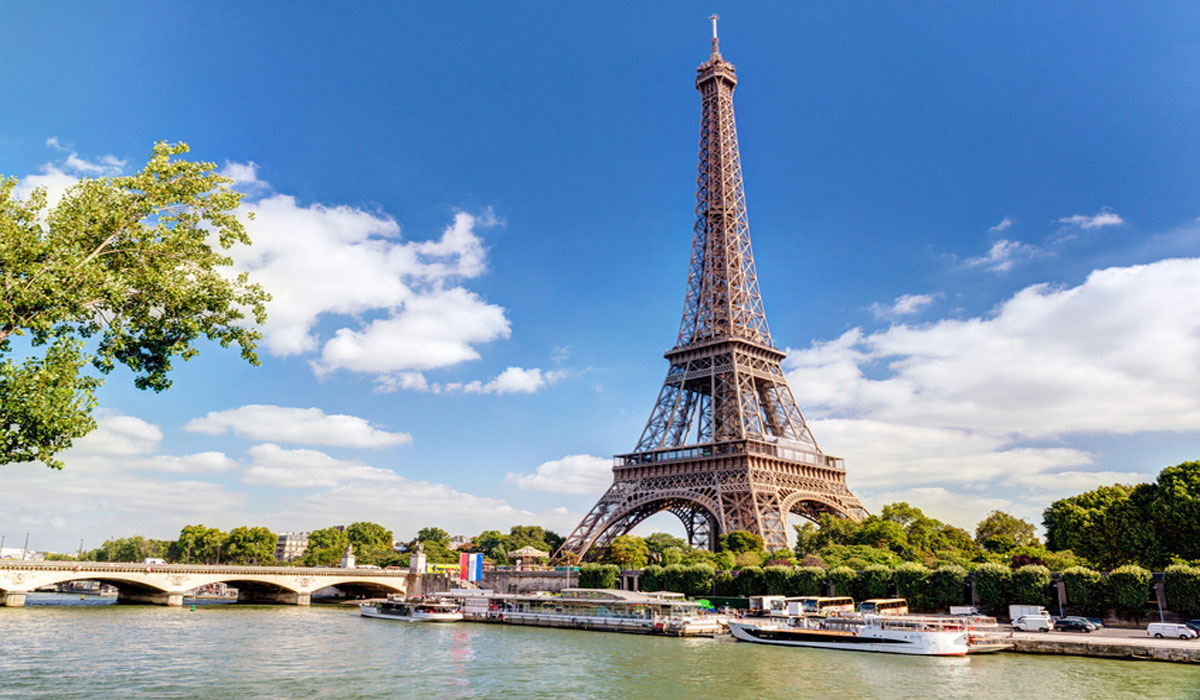
The Eiffel Tower stands as a timeless symbol of Paris, blending rich history with remarkable beauty. Built in 1889 for the World’s Fair, it was once criticized yet later admired for its bold iron design. Over the years, the tower has evolved from a temporary structure into a global icon of innovation, romance, and artistic elegance. Its graceful form and enduring presence continue to captivate visitors, reflecting both human creativity and historical significance. Below, Explore New Destinations will provide interesting information that you must know.
The Birth Of An Iron Giant
The Eiffel Tower was born out of ambition, controversy, and the spirit of innovation that defined late nineteenth-century France. Designed by engineer Gustave Eiffel for the 1889 Exposition Universelle, the tower was intended to celebrate the 100th anniversary of the French Revolution.
At the time, its design was revolutionary: a 300-meter-tall structure made almost entirely of iron, towering over Paris like nothing the world had ever seen. Many Parisians initially despised it, calling it an eyesore and fearing it would ruin the city’s classical beauty. Yet Eiffel remained confident that the tower would one day be admired not just for its scale, but for its elegance and engineering brilliance.
Engineering Ahead Of Its Time
What made the Eiffel Tower extraordinary was not only its height but the ingenuity behind its construction. Built from over 18,000 iron pieces held together by more than two million rivets, the tower was assembled with remarkable precision.
Gustave Eiffel and his team accounted for wind resistance, temperature changes, and structural balance at a time when such calculations were still evolving. The curved shape of the tower was not merely aesthetic; it allowed wind to pass through the structure, reducing pressure and ensuring stability. This combination of science and artistry turned the Eiffel Tower into a landmark of modern engineering.
Read Also: More Than Just a Vacation! Here’s Why Beach Destinations Are Always a Tourist Favorite
From Temporary Structure To Permanent Icon
Ironically, the Eiffel Tower was never meant to be permanent. It was scheduled to be dismantled just twenty years after its completion. What saved it was its usefulness. The tower proved valuable for scientific experiments, weather observations, and later, radio transmissions.
During World War I, it played a crucial role in intercepting enemy communications. These practical applications transformed public opinion and secured the tower’s place in Paris. Over time, what was once criticized became cherished, evolving into a proud symbol of French ingenuity and resilience.
A Tower That Redefined Beauty
The beauty of the Eiffel Tower lies in its ability to blend strength with grace. By day, its iron lattice catches the sunlight, casting delicate shadows that change with the hours. By night, the tower transforms into a glowing beacon, illuminated by thousands of lights that sparkle across the Parisian skyline.
Its open framework gives it a lightness that contrasts with its massive size, making it appear almost weightless from a distance. This unique aesthetic challenged traditional ideas of beauty, proving that industrial materials could be as poetic as stone and marble.
The Eiffel Tower And Parisian Identity
Over the decades, the Eiffel Tower has become inseparable from Paris itself. It stands as a silent witness to the city’s history, from world fairs and wars to celebrations and protests.
Artists, writers, and filmmakers have drawn endless inspiration from its silhouette, using it as a symbol of romance, freedom, and creativity. For Parisians, the tower is more than a tourist attraction; it is a familiar presence that anchors the city’s identity. For visitors, it often represents a dream, a moment of wonder that captures the essence of France.
A Timeless Symbol For The World
Today, the Eiffel Tower is one of the most recognized structures on Earth, welcoming millions of visitors each year. Its observation decks offer breathtaking views of Paris, connecting people from all cultures through a shared sense of awe. Despite advances in architecture and the rise of taller skyscrapers, the Eiffel Tower remains unmatched in emotional impact.
It reminds the world that true greatness comes not only from size or innovation, but from the ability to inspire across generations. Standing tall for more than a century, the Eiffel Tower continues to embody history, beauty, and the enduring power of human imagination. Watch and keep following, don’t miss the most complete information regarding Explore New Destinations.