Bukit Lawang is one of Indonesia’s hidden gems, located on the edge of Gunung Leuser National Park in North Sumatra.
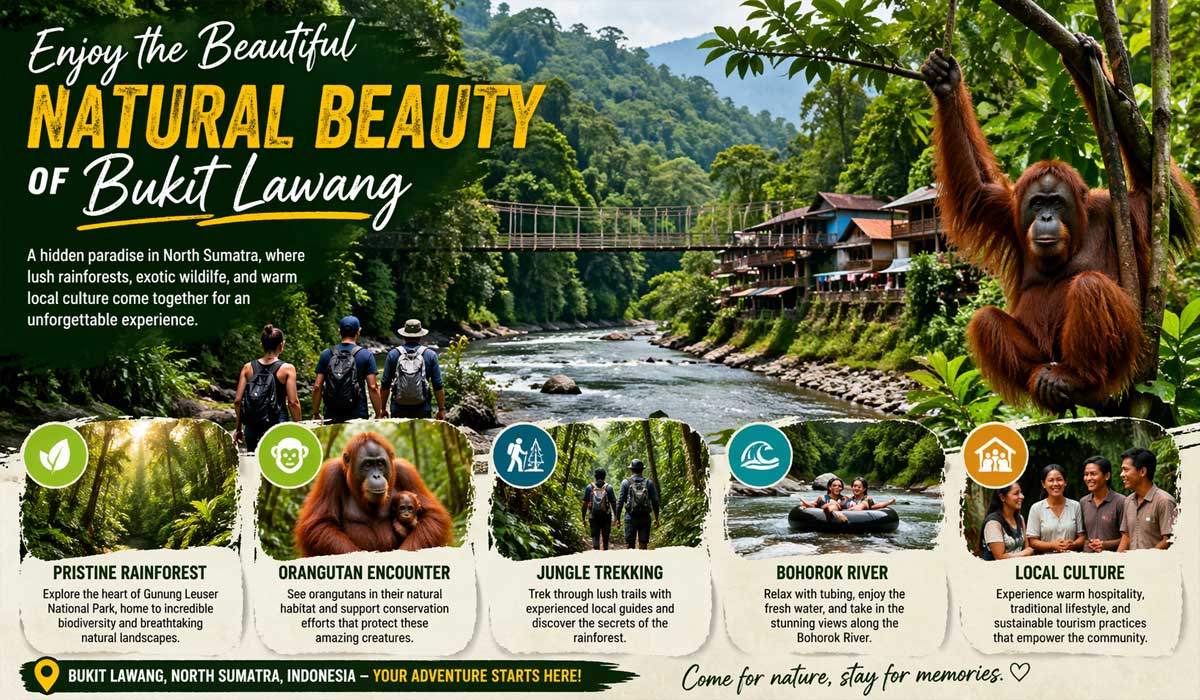
This small riverside village is famous for its lush rainforest, rich biodiversity, and the chance to see orangutans in their natural habitat. Travelers from around the world come here to experience untouched nature, peaceful surroundings, and adventurous jungle trekking. It is a destination that perfectly combines relaxation and exploration in one unforgettable journey.
The Natural Charm of Bukit Lawang Rainforest
Bukit Lawang is surrounded by dense tropical rainforest that is part of the larger Gunung Leuser ecosystem. This forest is one of the most important conservation areas in Southeast Asia, home to countless plant and animal species. The atmosphere is fresh, humid, and filled with the sounds of nature.
Walking through the jungle, visitors can feel completely immersed in nature. Towering trees, thick vines, and exotic plants create a magical environment that feels untouched by modern life. Every step reveals something new and exciting.
Rich Biodiversity and Wildlife
The rainforest is home to a wide variety of wildlife, including orangutans, gibbons, Thomas leaf monkeys, and many bird species. Orangutans are the main attraction, often seen swinging between trees or resting in the canopy.
Besides mammals, the forest also hosts insects, reptiles, and rare plants. This biodiversity makes Bukit Lawang an important destination for eco-tourism and wildlife conservation awareness.
A Protected Ecosystem
Gunung Leuser National Park is a UNESCO-recognized biosphere reserve, making Bukit Lawang part of a globally important ecosystem. Conservation efforts are strictly enforced to protect endangered species.
Visitors are encouraged to respect nature and follow eco-friendly guidelines. This ensures that future generations can still enjoy the beauty of the rainforest.
Orangutan Encounter Experience
One of the most unforgettable experiences in Bukit Lawang is observing orangutans in their natural habitat. These intelligent creatures share about 97% of their DNA with humans, making encounters truly special.
Tourists often join guided treks led by experienced local guides who know the forest well. These guides help ensure safe and responsible wildlife viewing.
Ethical Wildlife Observation
Orangutan viewing in Bukit Lawang follows strict ethical rules. Feeding or touching the animals is not allowed to maintain their natural behavior.
This approach ensures that orangutans remain wild and independent. Visitors can enjoy observing them from a respectful distance without disturbing their habitat.
Conservation and Rehabilitation Efforts
Bukit Lawang is also known for its orangutan rehabilitation center, which helps rescued orangutans return to the wild. This initiative plays an important role in conservation.
Through education and rehabilitation, the center helps protect the species from threats such as deforestation and illegal wildlife trade.
Jungle Trekking Adventures
Jungle trekking is one of the most popular activities in Bukit Lawang. Trails vary from short walks to multi-day expeditions deep into the rainforest.
Each trek offers a unique experience, allowing visitors to explore the natural beauty of the jungle while learning about its ecosystem.
Guided Trekking Routes
Local guides lead trekking tours to ensure safety and provide valuable knowledge about the forest. They can identify plants, animals, and explain their ecological roles.
These guides also share stories about the jungle, making the experience more engaging and educational for visitors.
Challenges and Rewards of Trekking
Trekking in Bukit Lawang can be physically challenging due to humidity and uneven terrain. However, the rewards are worth the effort.
Reaching scenic viewpoints or spotting wildlife in their natural environment creates unforgettable memories for every traveler.
Read Also: Thrilling Adventures, Discover New Destinations for Adventure Seekers
The Bohorok River Experience
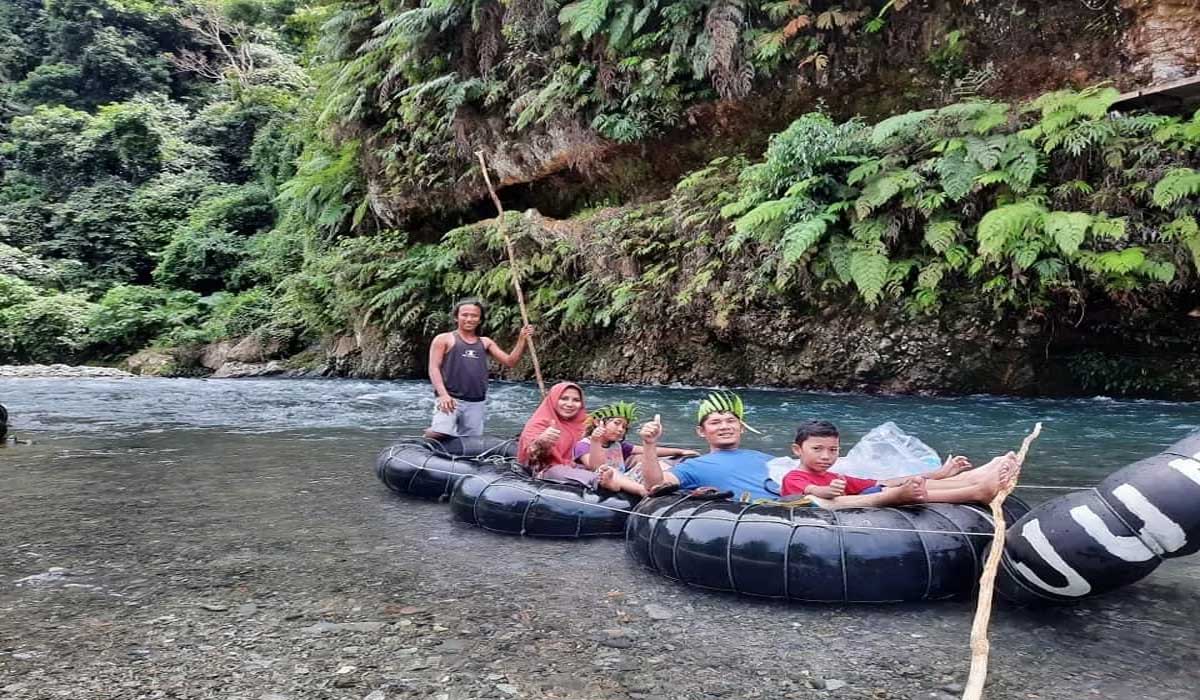
The Bohorok River flows through Bukit Lawang, adding charm and tranquility to the village. It is a central part of daily life and tourism activities.
The river’s clear water and gentle flow make it perfect for relaxation after a long jungle trek.
Tubing and Water Activities
One of the most popular activities is river tubing, where visitors float down the river using inflatable tubes. It is both relaxing and fun.
This activity allows travelers to enjoy the surrounding jungle scenery from a different perspective while drifting along the water.
Riverside Relaxation Spots
Many guesthouses and cafes are located along the riverbank, offering peaceful views and soothing sounds of flowing water.
These spots are perfect for resting, enjoying local food, or simply appreciating the natural surroundings.
Local Culture and Village Life
Bukit Lawang is not only about nature but also about the warm local community. The village is home to friendly locals who welcome visitors with hospitality.
Cultural interactions add another layer of experience to the journey, making it more meaningful and memorable.
Traditional Lifestyle
Most villagers depend on eco-tourism and agriculture for their livelihood. Their lifestyle remains closely connected to nature.
Visitors can observe daily activities such as farming, cooking, and handicrafts, offering insight into traditional Indonesian life.
Sustainable Tourism Practices
Local communities actively support sustainable tourism to protect their environment. Many businesses follow eco-friendly practices.
This helps maintain the balance between tourism development and environmental preservation.
Conclusion
Bukit Lawang is a breathtaking destination that offers a perfect blend of nature, adventure, and culture. From its rich rainforest and unique wildlife to thrilling jungle treks and peaceful river experiences, every moment spent here is unforgettable.
The village not only provides natural beauty but also promotes conservation and sustainable tourism. Visiting Bukit Lawang is more than just a tripit is an opportunity to connect deeply with nature and appreciate one of the world’s most precious ecosystems.